

The Ultimate Guide to Baking the Perfect Gluten-Free Pie: Expert Tips
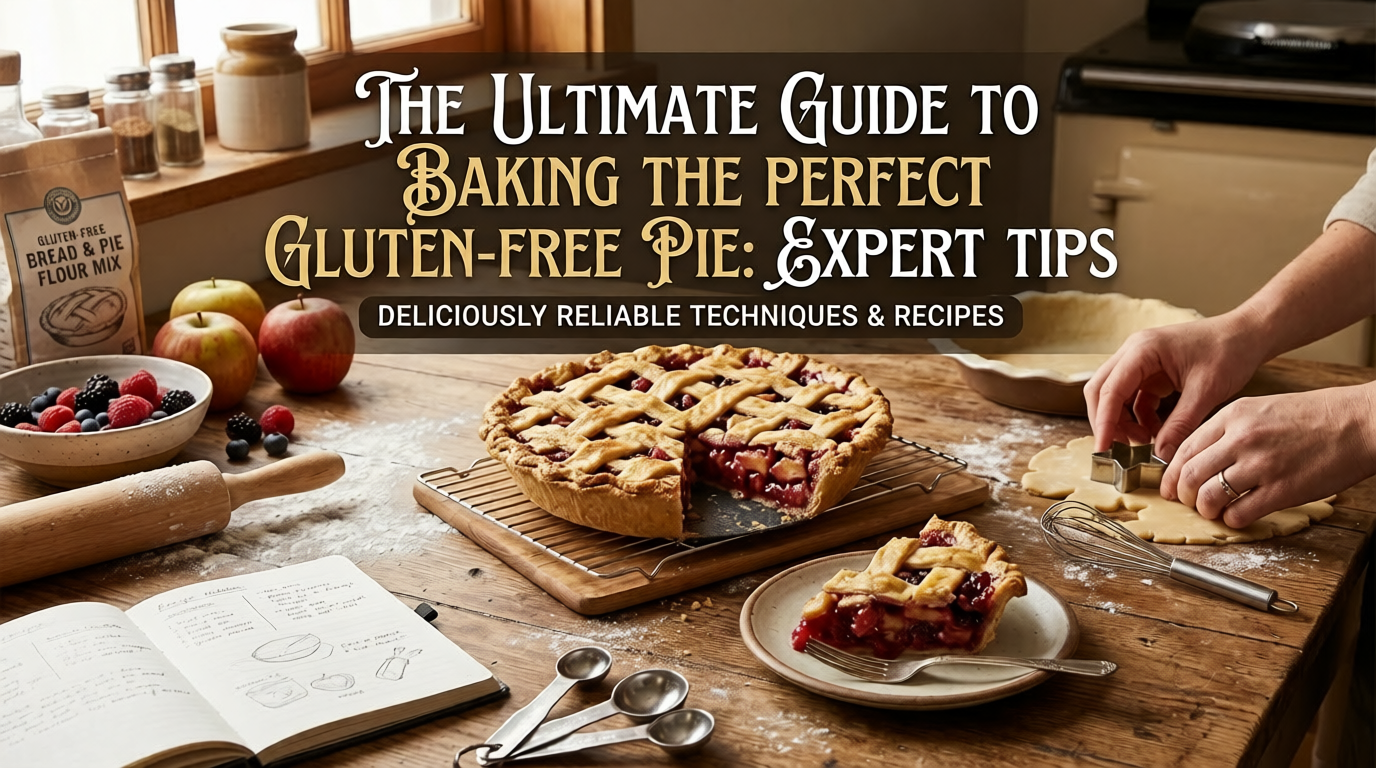
Mastering the Art of the Gluten-Free Pie
Baking a perfect pie represents the pinnacle of dessert creation, yet removing gluten often turns this triumph into a tragedy of crumbling dough and lackluster texture. Professional bakers and home cooks alike frequently struggle to replicate the elasticity and flake of traditional wheat pastry. However, success lies within your reach. By leveraging high-quality ingredients like the pie crust and employing scientific precision, you can bake a dessert that rivals any conventional counterpart.
Furthermore, understanding the mechanics of gluten-free flours empowers you to manipulate texture and flavor effectively. This guide provides a comprehensive roadmap for using Byron Gourmet products to achieve bakery-quality results. We strip away the guesswork and focus on actionable, expert-level strategies.
The Science: Why Gluten-Free Pie Crust Is Challenging
Gluten creates the structural network that holds traditional dough together, providing the necessary elasticity for rolling and shaping. Without this protein network, pastry dough naturally tends to fall apart or become overly dense. In light of this, manufacturers must utilize alternative binders such as xanthan gum, psyllium husk, or specialized starch blends to mimic this structure.
Moreover, gluten-free flours absorb moisture differently than wheat flour. Rice flour, almond meal, and tapioca starch all possess unique absorption rates, which directly impacts the hydration of your dough. If you fail to balance this moisture, your crust becomes dry and brittle. Therefore, utilizing a pre-formulated, high-quality base like a Byron Gourmet pie crust eliminates the volatility of mixing your own flour blends, giving you a stable foundation for your culinary masterpiece.
Why Choose Byron Gourmet for Gluten-Free Baking?
Byron Gourmet stands out in the crowded market of health-conscious baking products due to their commitment to texture and flavor integrity. Many commercially available shells taste processed or lack the structural integrity to hold heavy fillings. Conversely, Byron Gourmet engineers their crusts to withstand the rigors of baking while maintaining a delicate, buttery mouthfeel.
In addition, their products cater to a wide range of dietary needs without sacrificing quality. They utilize premium ingredients that brown beautifully in the oven, offering visual appeal alongside taste. Using this brand allows you to skip the arduous process of cutting cold butter into alternative flours, letting you focus entirely on your filling and the baking process.
Step-by-Step: How to Bake Gluten-Free Pie Perfection
Executing a flawless pie requires adherence to strict protocols. Follow this expert workflow to ensure your Byron Gourmet crust performs perfectly every time.
1. Preparation and Thawing
Temperature control dictates the success of your pastry. You must ensure the crust remains cool until it hits the oven. If you purchase a frozen Byron Gourmet shell, thaw it in the refrigerator, not on the counter. Room temperature thawing often leads to sweating, which makes the dough soggy.
2. The Blind Bake Technique
Blind baking prevents a soggy bottom, especially for custard or fruit pies. Preheat your oven to 375°F (190°C). Prick the bottom of the crust with a fork to allow steam to escape. Line the shell with parchment paper and fill it with pie weights or dried beans. Bake for 10-12 minutes until the edges just begin to color. This step sets the structure before you add moisture-heavy fillings.
3. Managing the Filling
Excess liquid ruins a crisp crust. Pre-cook fruit fillings like apples or berries to release their juices before adding them to the shell. For example, if you are crafting a cherry pie, you should consult our guide on sweet vs. sour cherries: the ultimate guide to taste, nutrition, and culinary uses to select the ideal variety for baking.
Similarly, thickening your fruit juices with cornstarch or tapioca starch is essential. For a robust and classic filling, we recommend using Harvestime Wild Blueberries 500g, which hold their shape beautifully during baking. Consequently, your filling will remain intact when sliced, and your crust will stay crisp. If you prefer organic ingredients, sourcing Elgin Organic frozen berries ensures you add premium Australian goodness to your dessert.
Expert Tips for a Flaky Gluten-Free Pie Crust
Achieving that coveted flake requires specific handling techniques. Even with a pre-made shell, your actions influence the final result. Implement these strategies to elevate your texture.
- Brush with Egg Wash: Create a barrier against moisture by brushing the bottom of your blind-baked crust with a beaten egg white before adding the filling. This seals the surface instantly upon returning to the oven.
- Serve with Contrast: While whipped cream is traditional, try serving your warm pie with Meredith Dairy sheep milk traditional Greek yoghurt for a tangy, creamy contrast.
- Use a Pie Shield: Gluten-free flours brown faster than wheat flour. Protect the edges of your Byron Gourmet crust with a foil ring or silicone pie shield during the second half of baking to prevent burning.
- Cool Completely: Gluten-free structures take longer to set. You must allow the pie to cool completely on a wire rack before slicing. Cutting too early causes the crust to crumble.
Troubleshooting Common Mistakes
Even experienced bakers encounter issues. Identifying the root cause helps you avoid future disasters.
The Crust is Too Hard
Over-baking often causes this issue. Reduce your oven temperature by 25°F if you notice the crust browning too quickly. Furthermore, ensure you position the pie on the center rack for even heat distribution.
The Bottom is Soggy
This usually indicates an under-baked bottom or a filling that is too wet. Utilize a metal pie tin rather than glass or ceramic, as metal conducts heat more efficiently to the bottom of the pastry. Additionally, bake the pie on a preheated baking stone to deliver an immediate blast of heat to the base.
Conclusion
Baking a gluten-free pie that delights the senses requires patience, precision, and the right ingredients. By utilizing Byron Gourmet pie crusts and following these expert guidelines, you eliminate the common pitfalls of gluten-free baking. Ultimately, you possess the power to create a dessert that everyone can enjoy, regardless of dietary restrictions.
Start your baking journey today. Visit your local grocer, pick up a Byron Gourmet crust, and apply these techniques to bake the ultimate gluten-free pie this weekend.